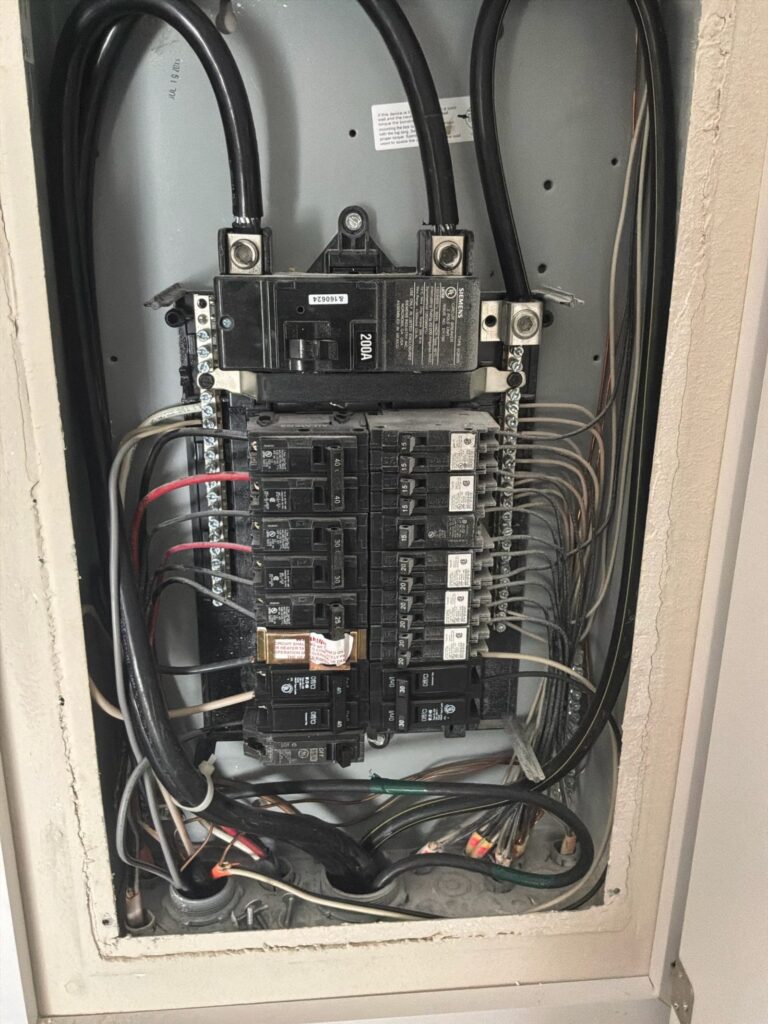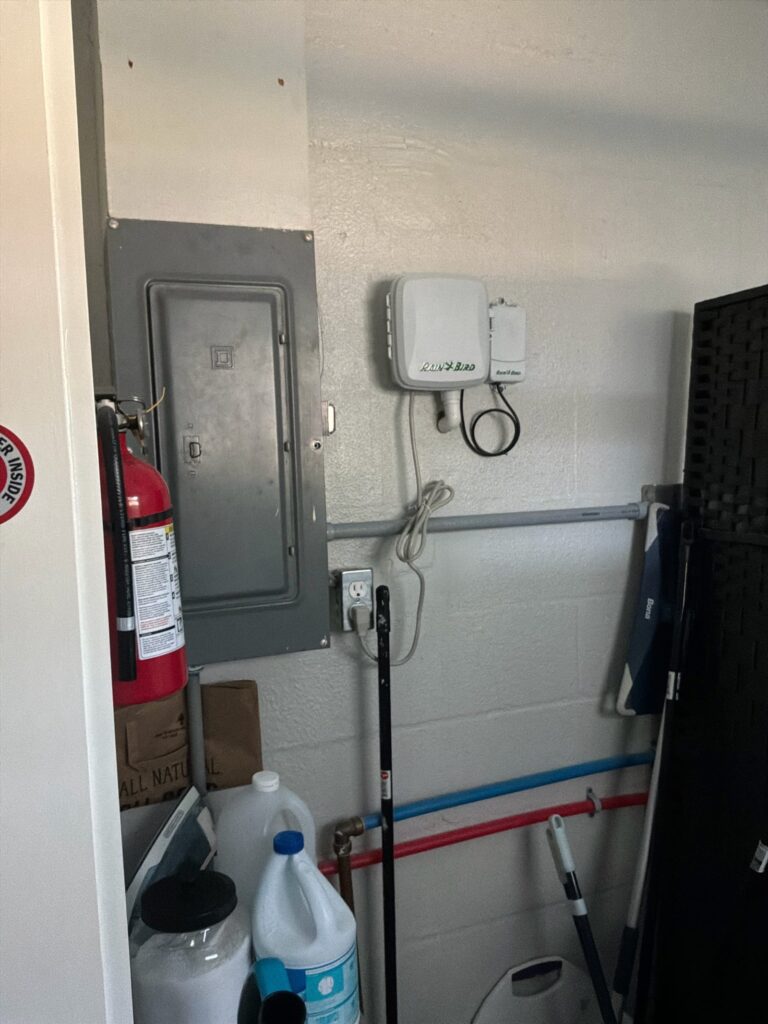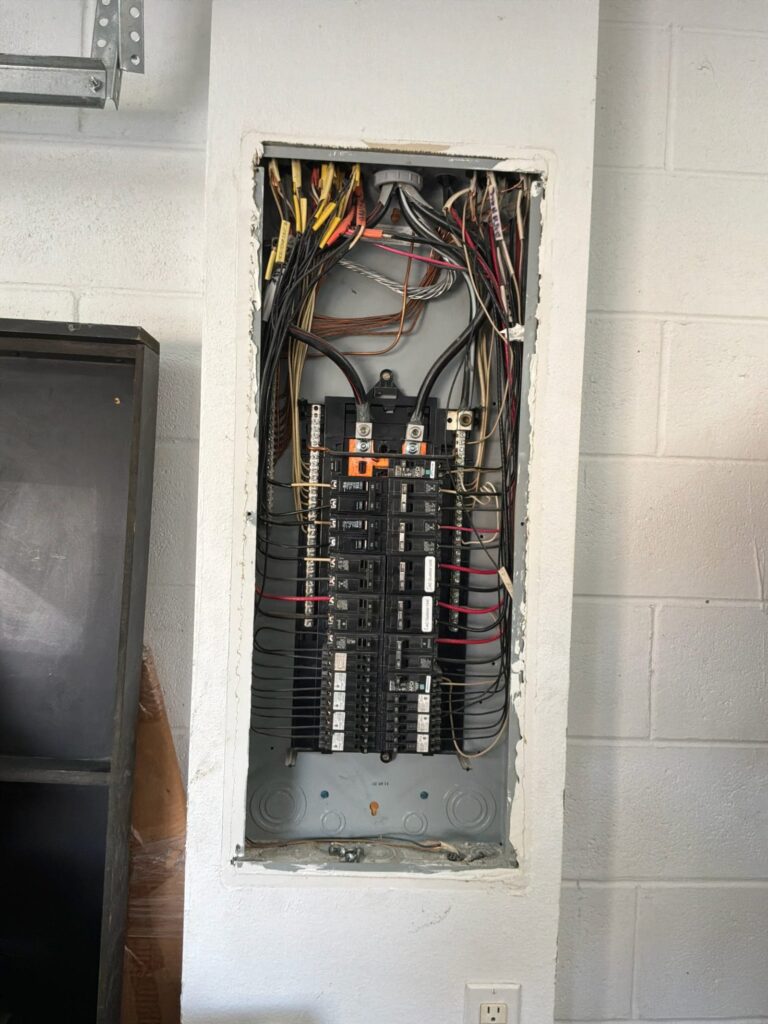
A homeowner in Port Charlotte, FL called us when their smoke detectors kept going off even after changing batteries. However, our comprehensive safety inspection revealed the nuisance alarms were just the tip of the iceberg. In fact, the home had several missing smoke detectors in required areas and lacked modern safety features like surge protection and proper GFCI coverage.
The Problem
The customer was frustrated with their smoke detectors constantly false-alarming despite fresh batteries. As one homeowner put it:
“Client smoke detectors keep going off even after batteries were changed.”
They scheduled a priority appointment to get to the bottom of the issue.
Investigation
Our field team arrived for what seemed like a straightforward smoke and CO detector installation service call. However, his systematic safety inspection uncovered multiple areas where the home’s electrical system predated current safety standards.
Missing Detectors and Aging Equipment
To start, he found that several required areas were missing smoke detectors entirely. Additionally, the existing detectors were older units that may have been reaching the end of their useful life. Meanwhile, the electrical panel showed characteristics common in homes from earlier code cycles.
Panel and Breaker Safety Concerns
The panel was missing AFCI breakers and some components that didn’t meet current NEC requirements. Furthermore, the inspection revealed backstabbed outlets and switches throughout the home. This installation method was common before about 2005 but can develop loose connections over time.
Additional Protection Gaps Discovered
The home also lacked whole-house surge protection and had some GFCI gaps in areas where current code requires protection. Notably, the homeowner had attempted a DIY bathroom outlet replacement but couldn’t complete the installation properly.
What We Fixed
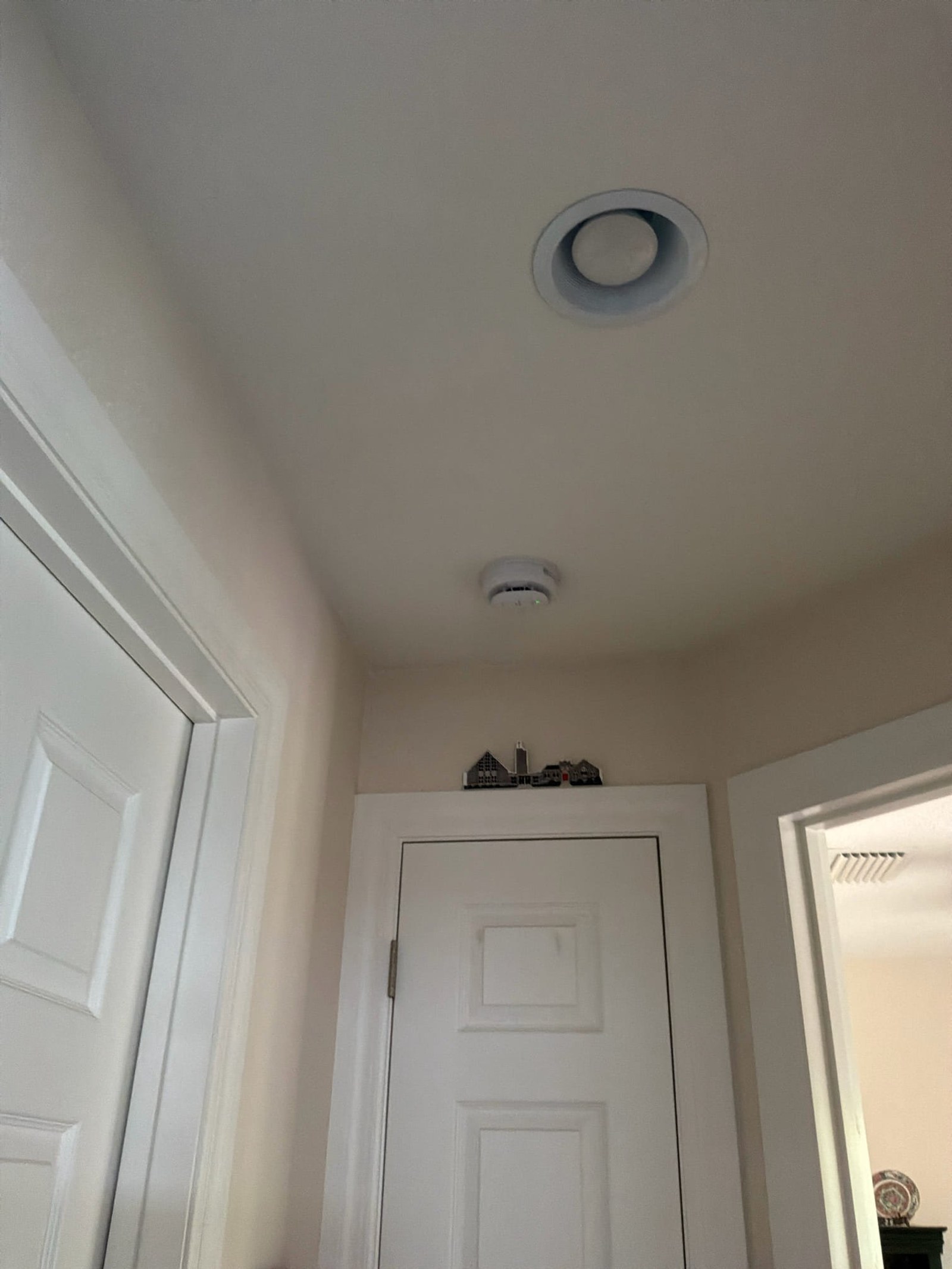
Smart Smoke and CO Detector Installation
Our team installed five new 120V smart smoke/CO combination detectors with 10-year sealed lithium batteries throughout the home. These Kidde smart units provide both smoke and carbon monoxide detection with interconnected alerts and smartphone connectivity.
Whole-House Surge Protection Added
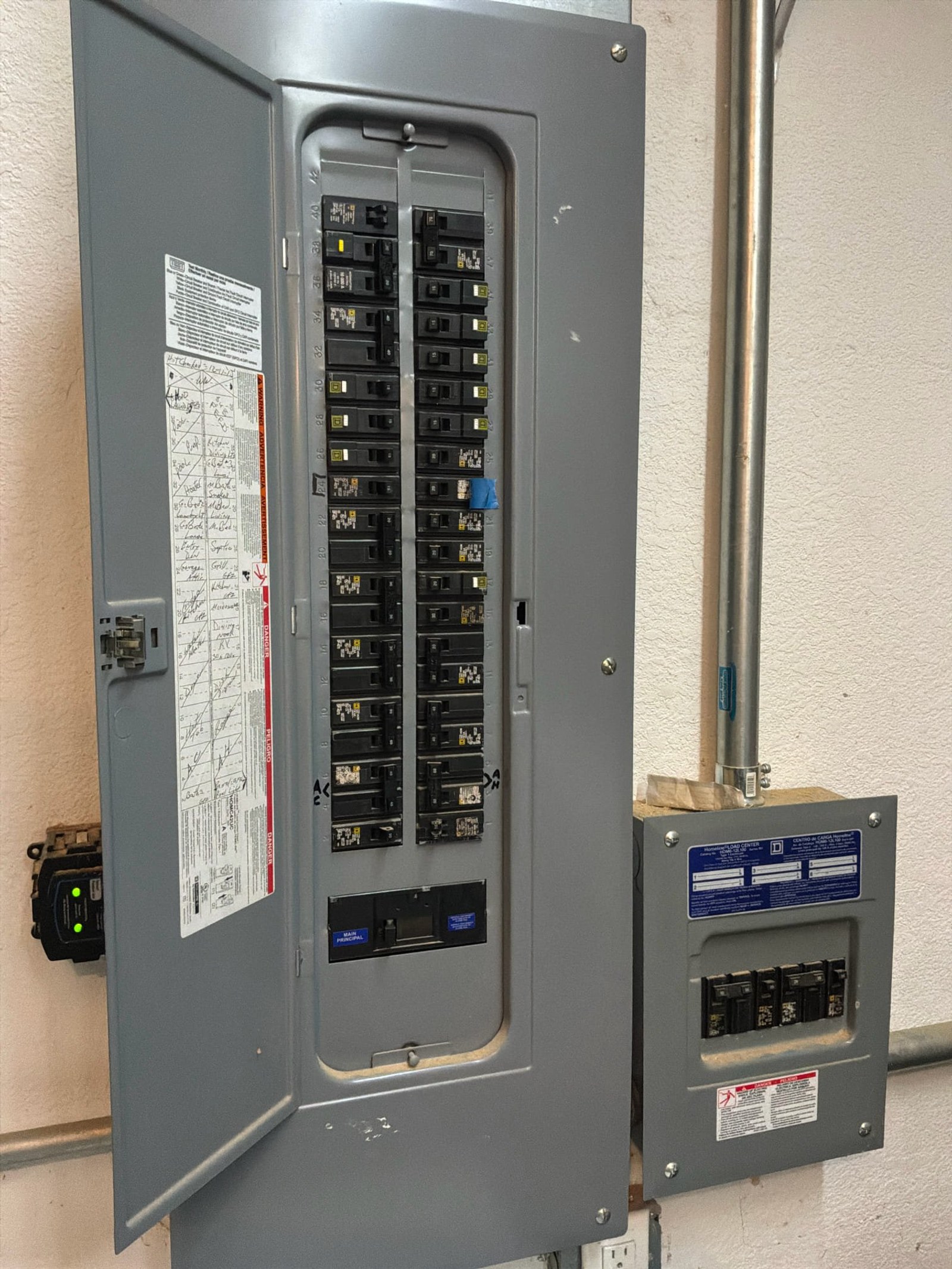
Next, we added a PSP Vortex 120kA whole-house surge protection device to the GE electrical panel. This protects all the home’s electronics and appliances from voltage spikes.
Panel Modernization and Breaker Upgrades
To address the panel modernization needs, we installed new Square D HomeLine breakers including a 15-amp single pole and 40-amp double pole unit. We also added a GE THQP 30-amp double pole breaker for proper equipment protection.
Bathroom Outlet and Switch Completion
For the bathroom project the homeowner started, we completed the outlet replacement with a properly installed tamper-resistant receptacle in a new old-work box. Additionally, we installed a new decorator-style rocker switch and added a 15-amp cord cap for an appliance connection.
Why This Matters for Homeowners
Modern Detection Provides Better Protection
Smoke detector nuisance alarms often indicate the units are aging out or the home’s detection coverage has gaps. Modern interconnected detectors provide faster, more reliable alerts throughout the house. For example, the smart features let you silence false alarms from your phone and receive alerts when you’re away.
Surge Protection Saves Money Long-Term
Surge protection has become essential as homes fill with sensitive electronics. A quality whole-house unit like the PSP Vortex protects everything from your HVAC system to kitchen appliances. Given Florida’s frequent thunderstorms, this protection pays for itself by preventing costly equipment damage.
Updated Connections Improve System Reliability
Finally, addressing backstabbed connections and updating breakers brings your electrical system in line with current safety standards. As a result, these improvements reduce the likelihood of loose connections that can cause flickering lights or intermittent power issues. If you’re concerned about your home’s electrical safety, consider scheduling an electrical safety inspection to identify potential hazards.
Common Questions
Questions homeowners ask after seeing this kind of work.
Why do my smoke detectors keep going off without smoke?
Common causes of nuisance alarms include accumulated dust inside the sensor chamber, end-of-life signals from aging units, low battery warnings, steam from showers, and cooking aerosols. If still chirping after battery changes, units have likely reached end-of-life.
How are interconnected detectors better than standalone?
Interconnected detectors trigger ALL units simultaneously when ANY unit senses smoke or CO. This is critical in larger homes where a fire might not immediately alert sleepers in another part of the house.
How do 10-year sealed lithium detectors work?
These detectors contain a non-removable lithium battery designed to last the full 10-year service life. No annual battery changes, no 3 AM low-battery chirps. After 10 years, the entire unit gets replaced.
Are smart smoke detectors worth the cost?
For most Port Charlotte homes, yes – particularly seasonal residents and snowbirds. The smartphone alerts mean you will know about a fire even when traveling.
How long does a detector upgrade take?
Replacing five detectors throughout a typical Port Charlotte home takes 1-2 hours including mounting, wiring, testing, and pairing to the smartphone app. Schedule yours as part of a broader safety inspection.